If you’ve recently booked a photographer — whether for your wedding, an engagement shoot, a family portrait session, or any other occasion — there’s a good chance you’ve heard the term “RAW files” come up. Maybe a friend told you to ask for them. Maybe you read something online. Maybe you’ve already asked your photographer and received a firm but polite “no,” which left you feeling a little confused or even short-changed.
Understanding why photographers don’t give RAW files can help clarify your expectations and the realities of professional photography.
You’re not alone, and the question is completely fair. But so is the answer. Let me explain both sides properly.
First Things First: What Actually Is a RAW File?
To understand why photographers guard their RAW files so carefully, you first need to understand what a RAW file actually is — because it’s quite different from the finished photos you’ll receive.
When a digital camera captures an image, it has two options for how to save that image. The first is a JPEG — the same format you’d see in photos on any website or social media. A JPEG is processed in-camera: the camera automatically applies sharpening, colour correction, contrast, and compression, and spits out a finished, ready-to-view image. It’s compact, universally viewable, and looks fine straight out of the camera.
The second option is RAW. A RAW file is exactly what the name suggests — raw, unprocessed sensor data. Think of it like this: a JPEG is a printed photograph, while a RAW file is the undeveloped negative. Actually, it’s even a step further back than that — it’s closer to the chemical compounds on the film before they’ve been exposed to light in a specific way.
A RAW file captures everything the camera sensor recorded: every subtle gradation of light and shadow, the full range of colours, the fine detail in both the bright highlights and the dark shadows. None of it has been interpreted yet. It just sits there, raw and waiting.
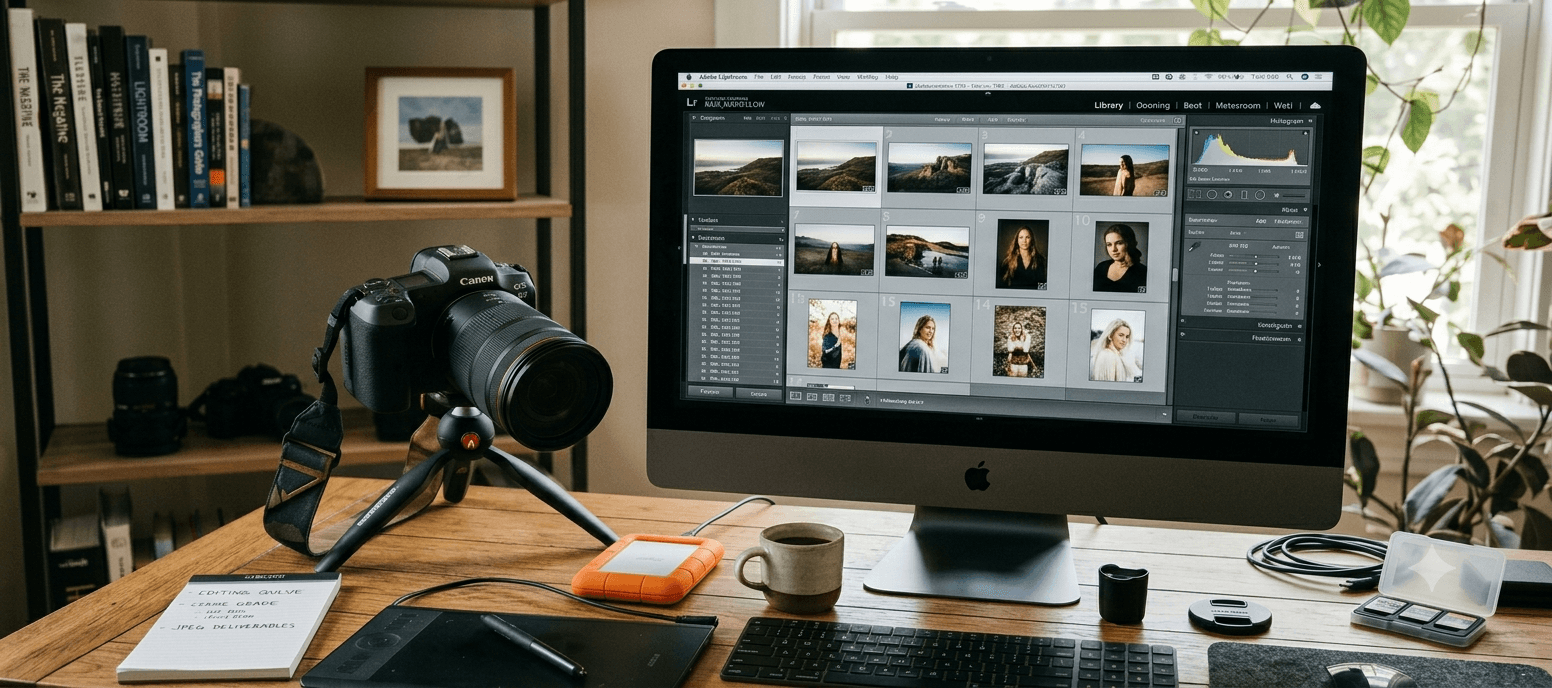
Here’s the practical side of that: a RAW file cannot be opened like a normal photo. You cannot double-click it and see a picture in your phone’s gallery or on a standard computer. It requires dedicated professional software — applications like Adobe Lightroom, Adobe Camera Raw, Capture One, or similar — just to display the image at all. Without that software, a RAW file is essentially invisible.
So What Do Photographers Actually Do With Them?
This is where the real work happens — and where a lot of people are surprised to learn how much effort goes into producing the final images they receive.
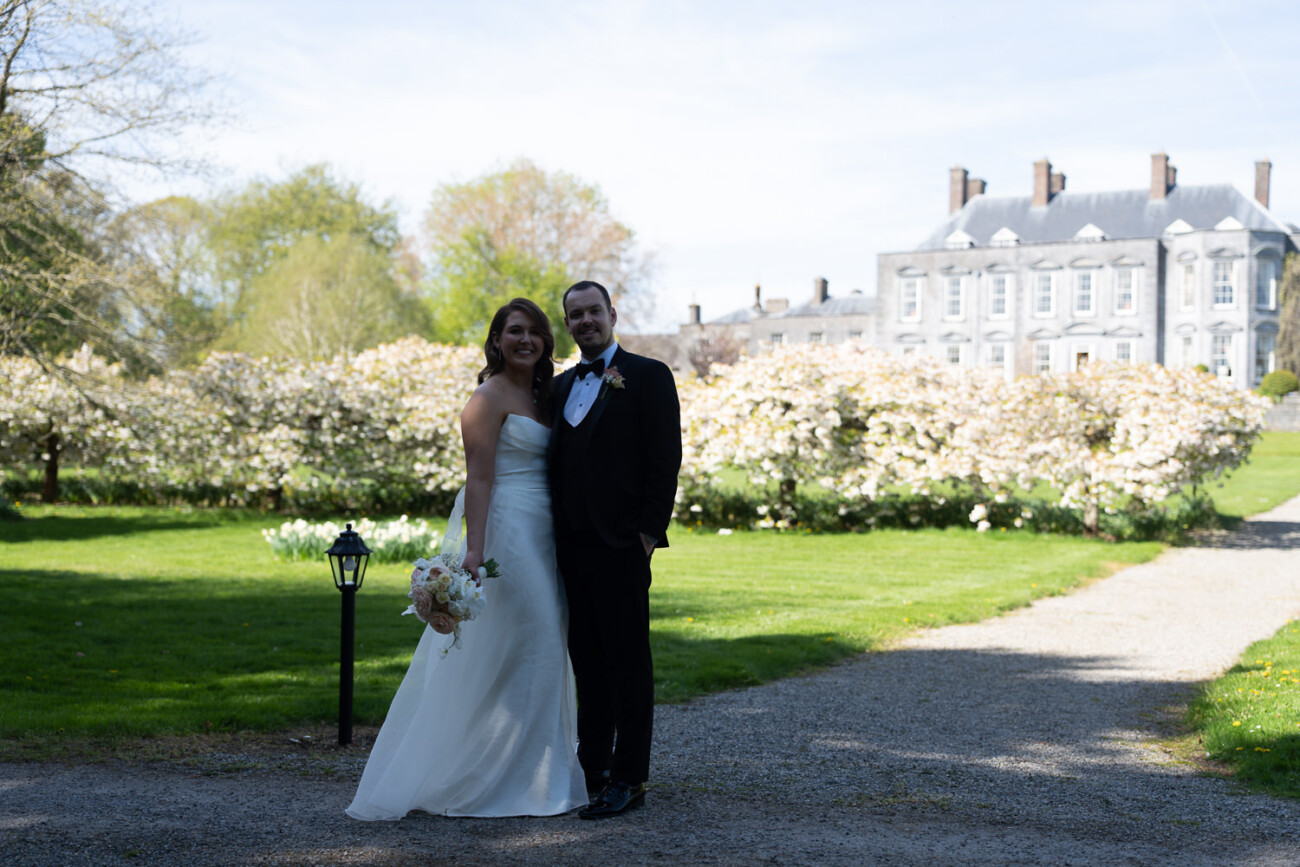
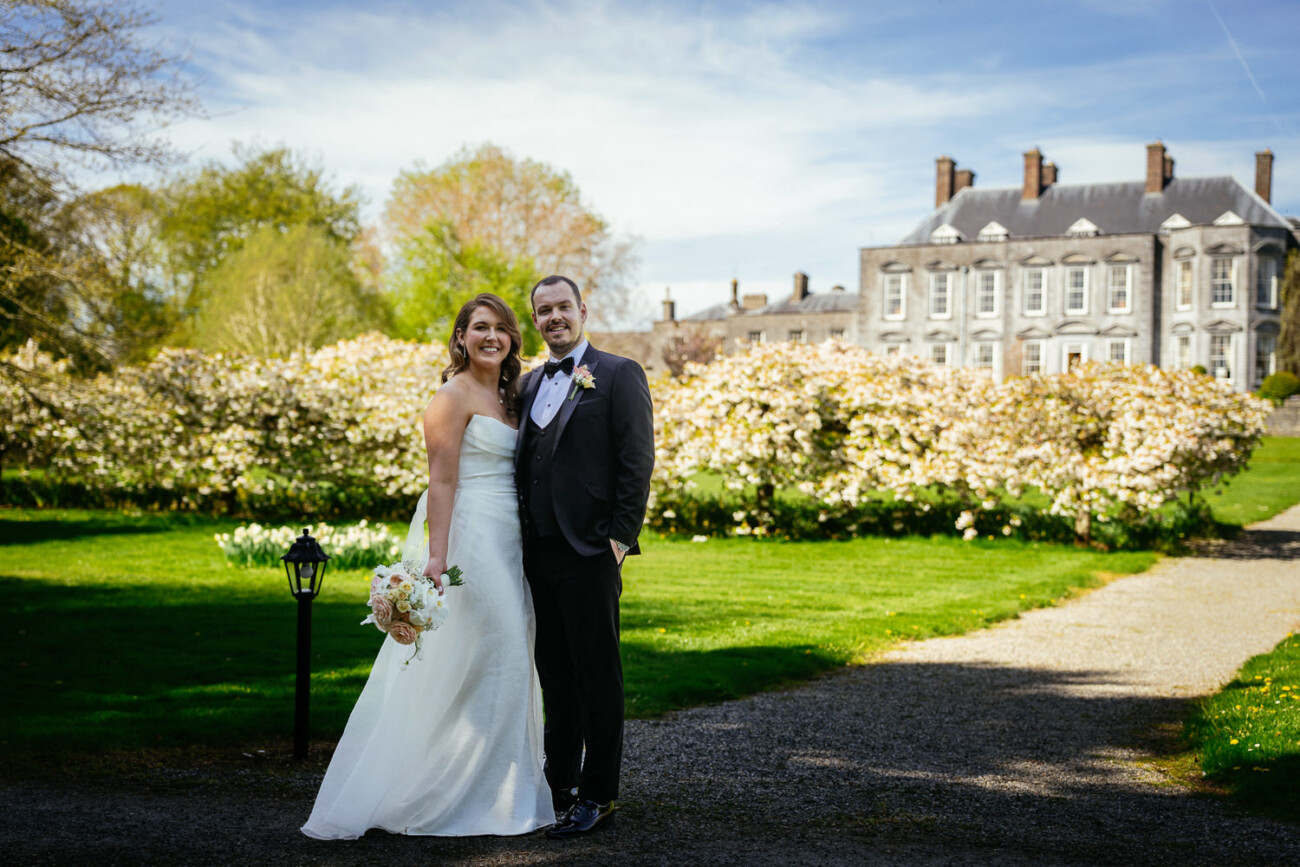
When a photographer downloads their RAW files after a shoot, they’re not looking at a gallery of beautiful photos. They’re looking at flat, grey, dull-looking images that are rich in data but visually underwhelming. To be honest, they look like s*%^. It’s like looking at a piece of music written as sheet notation — all the information is there, but it hasn’t been performed yet.
The editing process — often called “post-processing” — is where the photographer takes those raw ingredients and turns them into the finished photographs you love. In professional software, they will:
Adjust the exposure. RAW files often appear darker or brighter than the final image because the photographer shot with the RAW file’s editing potential in mind, not how it looks straight out of the camera. Recovering detail from shadows or pulling back overexposed highlights is only possible with the full data a RAW file contains — a JPEG would simply have lost that information forever.
Set the white balance. Colour temperature varies enormously depending on the light source — golden late-afternoon sun, fluorescent indoor lighting, overcast cloud cover. A RAW file lets the photographer precisely shift and correct the colour so skin tones look natural and the mood of the image is right. This is a creative decision as much as a technical one.
Apply colour grading. This is the big one. The particular way a photographer handles colour — the warmth of the shadows, the tone of the skin, the richness of greens or blues — is what gives their work its distinctive look. It’s the photographic equivalent of an artist’s brushstroke or a writer’s voice. This colour grade is built painstakingly over years of work, and it’s entirely applied during the editing process. A RAW file fresh from the camera has none of it.
Why Photographers Don’t Give RAW Files: The Reasons Explained
Sharpen, reduce noise, and refine detail. Certain corrections can only be applied cleanly in RAW. Noise reduction (the grain or speckle you see in low-light photos) is far more effective at this stage, as is the subtle sharpening that makes images look crisp and professional.
All of this takes significant time. A wedding shoot might produce 2,000 RAW files. A skilled photographer will cull those down and carefully edit several hundred of them. That editing process can take days.
The photos you receive are not just captured moments — they are made, carefully and deliberately, from raw material.
 RAW image
- Processed jpeg image
So Why Won’t Photographers Hand Over the RAW Files?
Now that you understand what RAW files are, the reasons photographers hold onto them will make a lot more sense.
1. They Are Unfinished Work
Handing over RAW files would be like a restaurant giving you a bag of uncooked ingredients instead of the meal you ordered, and expecting you to be equally happy with both. The finished, edited photographs are the product. The RAW files are the raw material used to create that product — and no craftsperson is obliged to hand over their raw materials.
A photographer who gives you RAW files is essentially giving you something half-made. Those flat, unedited files bear no resemblance to the finished work, and if they end up being shared or seen by others, they misrepresent the photographer’s skill entirely.
2. They Are Part of the Photographer’s Intellectual Property
The edited photographs you receive are a creative work, protected by copyright. RAW files are the starting point of that creative process — they are part of the photographer’s intellectual property, even before a single edit has been made. Just as a novelist isn’t obliged to hand over their handwritten drafts, a photographer isn’t obliged to hand over the raw material of their creative process.
3. Your Photographer’s Editing Style Is Their Brand
The look of a photographer’s images — the way they handle light, colour, contrast, and mood — is what drew you to book them in the first place. That style lives almost entirely in the editing. If RAW files are handed over and edited by someone else (or run through an Instagram filter, or processed by an automated online tool), the results will look nothing like the photographer’s work. Those images can then end up on social media tagged with the photographer’s name, doing real damage to their professional reputation.
4. RAW Files Require Expensive Software and Expertise to Use Properly
Even if you received a set of RAW files, the odds are high that you wouldn’t be able to do much with them. Professional RAW editing software costs money — often on a recurring subscription basis. It also has a steep learning curve. The idea of RAW files as some kind of “more complete” version of your photos that you can simply view and enjoy is a misconception. Without the right tools and knowledge, they’re inaccessible.
5. They’re Enormous
A single RAW file from a modern professional camera can be anywhere from 25 to 120 megabytes. A wedding shoot of 500 edited images might translate to 1,500 or 2,500 RAW files — potentially 50 to 250 gigabytes of data. Transferring, storing, and managing that volume of data is a significant practical burden for both parties.
6. It’s a Professional Standard Across the Industry
Architects don’t hand over their AutoCAD source files. Graphic designers don’t give clients their layered Photoshop documents. Film directors don’t deliver raw, uncut footage as the final product. Across every creative profession, the finished work is the deliverable — not the working files used to create it. Photography is no different. Expecting RAW files is, in most professional contexts, like asking any other creative professional for something they have no obligation or precedent to provide.
7. The Edited Photos Are What You Hired the Photographer For
When you book a photographer, you are hiring their eye, their experience, their equipment, and their post-processing skill as a complete package. The price you pay reflects all of that. The finished edited photographs are the complete product of everything you paid for. RAW files are simply not part of the arrangement.
I Understand the Logic, But I Still Really Want Them — What Can I Do?
Some photographers will, under specific circumstances, include RAW files as part of a premium package at a significantly higher price. This is entirely at the photographer’s discretion. If having RAW files matters to you, the best approach is to discuss it openly before you book — not after. That way, both parties know what’s included, the price reflects the additional value being provided, and there are no misunderstandings.
What you should never expect is that RAW files are a default entitlement. They aren’t, and asking for them after the fact — especially in a confrontational way — puts your photographer in an unfair position regarding work and intellectual property they are entitled to protect.
A Final Word
The trend of couples and clients demanding RAW files is understandable in an age where everyone has access to editing apps on their phone and DIY culture is thriving. But photography at a professional level is a skilled craft, and the editing process is as much a part of that craft as pressing the shutter.
When I deliver your finished photographs, I’m giving you the complete, carefully made version of your memories — not the raw ingredients. That’s not a shortchange. That’s the job done properly.
If you have questions about what’s included in your package, or if you’d like to talk through your options, I’m always happy to chat. You can get in touch through the contact page on djd.ie.